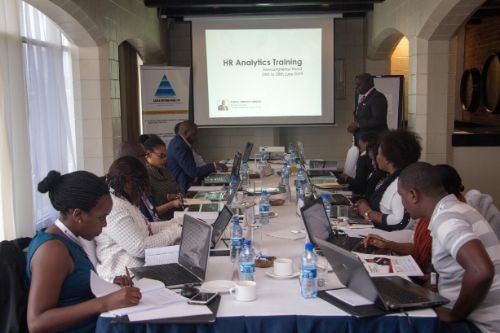
Advanced skills in budget preparation and control
Course Objectives
By the end of this course, participants will be able to:
- Identify and prepare the basic concepts, components, and assumptions for planning and budgeting.
- Identify and apply the components of the budget of institutions.
- Identify and analyse the requirements for the application and use of budgets.
- Identify and acquire skills and methods associated with the preparation of budgets on the basis of programmes and the performance of administrative units.
- Enable participants to learn about the concept, nature, importance, and functions of planning budgets in their planning and control form.
- Provide participants with modern financial, accounting and administrative tools in the preparation of ongoing and capital planning budgets.
- Develop the skills of participants in the use of computers in the preparation of planning budgets and using advanced statistical methods and reflect on the accuracy of estimates.
- Activate the participation of participants in follow-up and control through budgets and using follow-up reports Follow-Up Reports for the purposes of evaluating and improving performance
Target Audience
This course is designed for:
- Financial managers of institutions
- Account managers and accountants involved in the preparation of budgets
- Managers and members of the budget preparation and planning team
- Heads of departments in the institutions concerned with the planning, preparation, and use of the budget for their institutions
- Each of the nature of his work is directly or indirectly related to the preparation and planning of budgets and their use
Course Outline
Day 1 : Budget concept
- Types of planning budgets
- Functions of planning budgets
- Budgeting Planning’s Benefits and Drawbacks
- Stages of budget preparation (budget counter):
- How to prepare and use mozazans
- responsibility for the preparation and implementation of budgets and the timing of their preparation.
- What to expect at budgetary time.
Day 2: Components of the planning budget
- Sales budget (revenue)
- Balancing operational expenses
- Balance the income statement.
- Balance sheet of financial position (estimated balance sheet)
- budget for capital investment
- Cash Budget
Day 3: Concept of planning budgets and their types
- Budget concepts and functions
- The budget cycle (stages)
- Entries to prepare budgets
- Entrance to profitability
- power input
- Sales Entrance … Other
- The Budget Committee (its members, functions, …)
- The importance of distinguishing between goals, objectives and aims.
- View practical examples of the starting point of budgeting
- Operational Budget
- Financial Budget
- current budget
- investment budget
- Balance models in the state of sleep
- The relationship between budgets
Day 3: Stages of preparation of planning budgets and preparation of the budget of revenues and activity
- Stages of data processing for the purposes of preparing budget estimates
- Identify the main governing factors in the preparation of the budget.
- Identify data sources (internal, external, etc.)
- characteristics of aggregated data.
- The nature of the relationship between the data
- Important tips when preparing budget estimates
- Methods for forecasting revenue
- Use computers in the preparation of revenue budgets based on the simple regression method.
- status of an integrated process for the preparation of the revenue budget
- Integrated process status for the preparation of activity budgeting
- Expense forecasting methods
- Use the method of analysing the relationship between cost, volume, and profitability (CVP) in determining the optimal volume of activity.
- Use the sensitivity analysis method when restructuring activity costs.
- Various practical cases
- Using the computer in the preparation of the activity balancing using the Multi-Regression method
Day 4: Applied aspects in the preparation of planning budgets under way in different sectors
- sales budget
- Production Balancing
- Wage balance
- Balancing commodity supplies
- Balancing activity
- Balancing salaries and Mahaya
- Balancing tools and equipment
- Balancing commodity supplies
Day 5: Preparation of the cash budget and the investment budget
- The importance of their preparation and their relationship with other budgets
- Methods of budget preparation and its components
- Management of liquidity in light of cash balances and cases of technical and real financial hardship
- Monetary indicators associated with the monetary budget (defensive period…)
- Various practical cases
- Importance – and how it relates to other budgets
- Entrances to financing the investment budget
- Components of the investment budget
- New Projects
- Expansion and completion projects
- Replacement and renovation projects
- Evaluation forms for budgeted investment projects
- Practical cases Supervision of planning budgets and deviation analysis:
- An integrated process case on the preparation of flexible budgets for the non-profit sector
- Liability accounting
- Analysis of deviations
- Performance reports
- Various practical cases
Curriculum
- 6 Sections
- 0 Lessons
- 6 Days
Expand all sectionsCollapse all sections
- Day 1 : Budget concept• Types of planning budgets
• Functions of planning budgets
• Budgeting Planning's Benefits and Drawbacks
• Stages of budget preparation (budget counter):
• How to prepare and use mozazans
• responsibility for the preparation and implementation of budgets and the timing of their preparation.
• What to expect at budgetary time.0 - Day 2: Components of the planning budget• Sales budget (revenue)
• Balancing operational expenses
• Balance the income statement.
• Balance sheet of financial position (estimated balance sheet)
• budget for capital investment
• Cash Budget0 - Day 3: Concept of planning budgets and their types• Budget concepts and functions
• The budget cycle (stages)
• Entries to prepare budgets
• Entrance to profitability
• power input
• Sales Entrance … Other
• The Budget Committee (its members, functions, ...)
• The importance of distinguishing between goals, objectives and aims.
• View practical examples of the starting point of budgeting
• Operational Budget
• Financial Budget
• current budget
• investment budget
• Balance models in the state of sleep
• The relationship between budgets0 - Day 3: Stages of preparation of planning budgets and preparation of the budget of revenues and activity• Stages of data processing for the purposes of preparing budget estimates
• Identify the main governing factors in the preparation of the budget.
• Identify data sources (internal, external, etc.)
• characteristics of aggregated data.
• The nature of the relationship between the data
• Important tips when preparing budget estimates
• Methods for forecasting revenue
• Use computers in the preparation of revenue budgets based on the simple regression method.
• status of an integrated process for the preparation of the revenue budget
• Integrated process status for the preparation of activity budgeting
• Expense forecasting methods
• Use the method of analysing the relationship between cost, volume, and profitability (CVP) in determining the optimal volume of activity.
• Use the sensitivity analysis method when restructuring activity costs.
• Various practical cases
• Using the computer in the preparation of the activity balancing using the Multi-Regression method0 - Day 4: Applied aspects in the preparation of planning budgets under way in different sectors• sales budget
• Production Balancing
• Wage balance
• Balancing commodity supplies
• Balancing activity
• Balancing salaries and Mahaya
• Balancing tools and equipment
• Balancing commodity supplies0 - Day 5: Preparation of the cash budget and the investment budget• The importance of their preparation and their relationship with other budgets
• Methods of budget preparation and its components
• Management of liquidity in light of cash balances and cases of technical and real financial hardship
• Monetary indicators associated with the monetary budget (defensive period...)
• Various practical cases
• Importance - and how it relates to other budgets
• Entrances to financing the investment budget
• Components of the investment budget
• New Projects
• Expansion and completion projects
• Replacement and renovation projects
• Evaluation forms for budgeted investment projects
• Practical cases Supervision of planning budgets and deviation analysis:
• An integrated process case on the preparation of flexible budgets for the non-profit sector
• Liability accounting
• Analysis of deviations
• Performance reports
• Various practical cases0